Our Story

We are not an organization that discovered this crisis from the outside. We are the women who lived it, choosing to build something that outlasts the moment that tried to erase us.

In August 2021, the newsrooms in Afghanistan went quiet first.

Not all at once. One by one, women who had spent years reporting the truth about their country were told to stay home, then told their bylines were a liability, then told there was no more room for them at all. Some kept writing anyway, from bedrooms, under pseudonyms, on phones they had to hide. Others simply disappeared from public life, the way the new authorities intended.
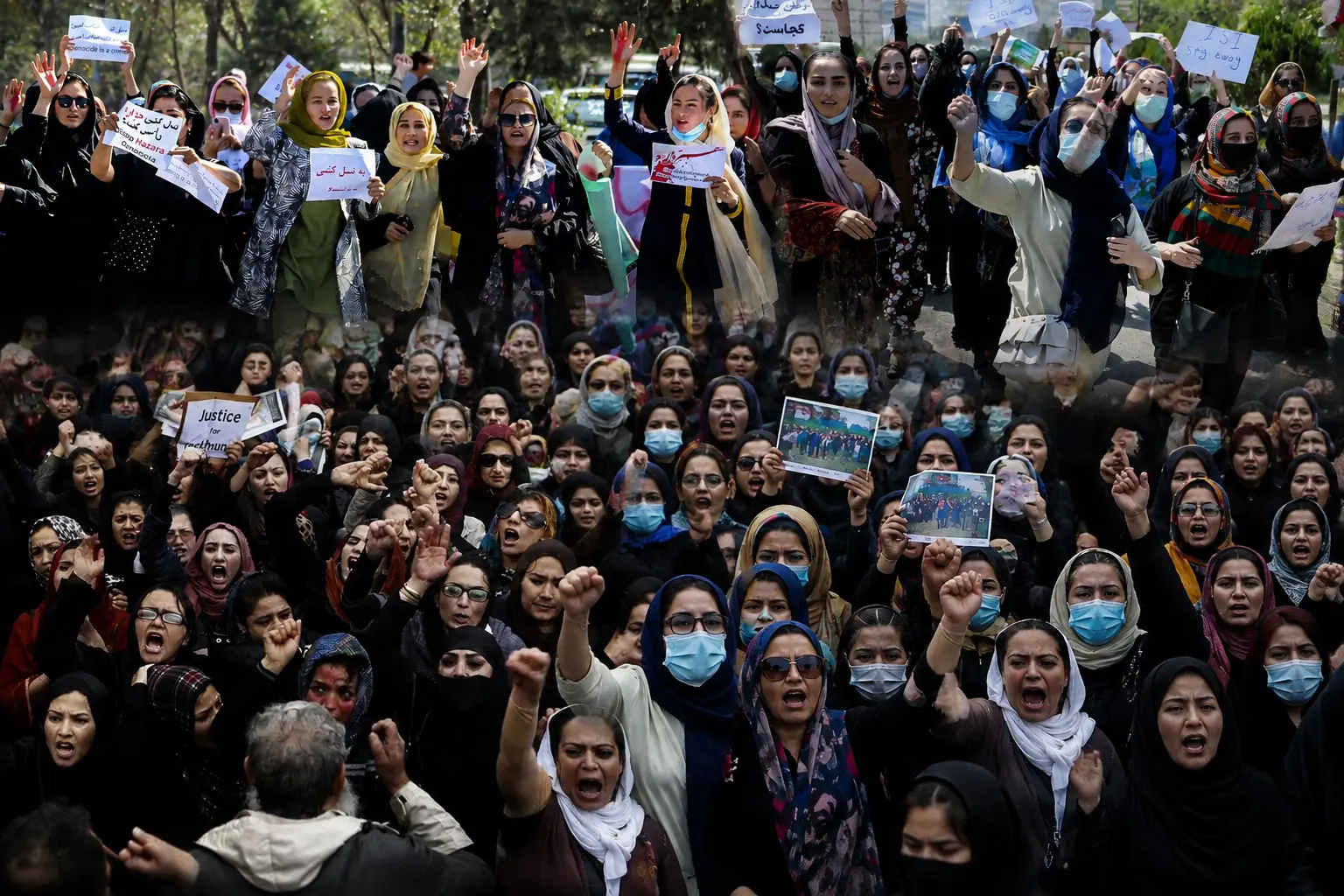
WORDS began as something smaller: the Advocacy Committee for Women Journalists, operating under the Afghanistan Media Support Organization (AMSO), quietly figuring out how to keep women journalists safe enough to keep working. Between 2023 and 2026, that committee trained over 200 women in the skills that make the difference between disappearing and enduring how to communicate without being traced, how to document a violation so it holds up as evidence, how to keep going when the easier choice would be silence.
In 2026, we became something more permanent. WORDS registered as an independent Canadian non-profit, carrying forward everything that work had built — a network that now reaches more than 450 women journalists and human rights defenders, across multiple provinces of Taliban-controlled Afghanistan and in exile around the world.
We are not an organization that discovered this crisis from the outside. We are the women who lived it, choosing to build something that outlasts the moment that tried to erase us.
Today, that network still documents. Still reports. Still reaches the desks of the United Nations, whether or not the world is paying attention. This is not a story about what was taken from us. It is a record of what we refused to let go.