The repression of women's voices is not a side effect of authoritarianism. It is a core strategy, and WORDS exists to break it.
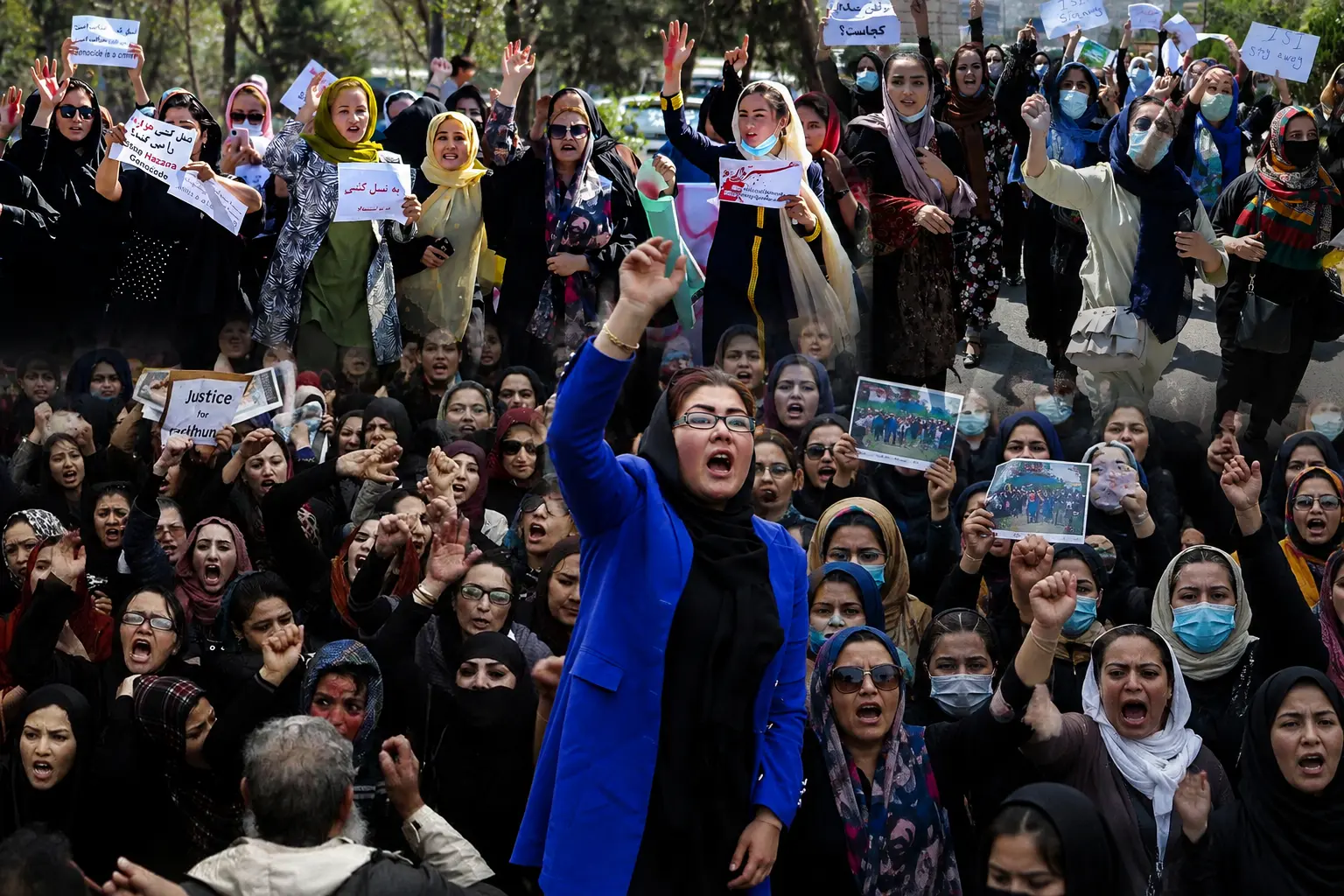
Across many regions, women who speak publicly, as journalists, human rights defenders, lawyers, or civic leaders, face coordinated and escalating repression. They are targeted with legal harassment, digital attacks, physical threats, imprisonment, and displacement. These tactics are not random. They are used systematically to silence women's participation in public life and to deter others from taking their place.
When women are silenced, entire communities lose access to information, representation, and accountability. The repression of one woman's voice is the repression of a community's right to know, to organize, and to resist.
WORDS was established to respond to this reality, not with ad-hoc support, but with a coordinated, long-term, and protection-oriented approach.
Existing humanitarian and human rights systems are not built for the specific, sustained repression women face. WORDS fills four critical gaps that leave women defenders unsupported:
A capability the existing ecosystem lacks, and that WORDS was built to provide.
A capability the existing ecosystem lacks, and that WORDS was built to provide.
A capability the existing ecosystem lacks, and that WORDS was built to provide.
A capability the existing ecosystem lacks, and that WORDS was built to provide.
Our work is grounded in the daily realities of the women we serve. We prioritize direct, practical support over symbolic gestures, and we measure our impact by the safety and continued voice of the women we work with.
We prioritize local leadership, contextual awareness, and ethical documentation practices. Our work centers the lived experiences of women while ensuring professional standards and accountability.
As WORDS expands its scope, we aim to:
Develop regional and global monitoring mechanisms on women's freedom of expression
Expand fellowship and safety programs
Strengthen policy engagement with international human rights institutions
Build sustainable partnerships across media, academia, and civil society
Governments, foundations, media houses, and individuals each have a role. Join the network defending those who defend the rest of us, through funding, platforms, legal capacity, or diplomatic action.

Women Organization for Rights, Dignity and Speech. A Canadian non-profit protecting women journalists, human rights defenders, and civic leaders worldwide.